
What Is a Credit Bureau Report? A Full Breakdown of Every Section
Short Answer - A Credit Bureau Report summarises your credit history, repayment behaviour, credit accounts, and inquiries as reported by lenders to RBI-authorised bureaus. It helps lenders assess your creditworthiness, enables fraud detection, and allows you to monitor accuracy, identify errors, and manage your financial profile responsibly.
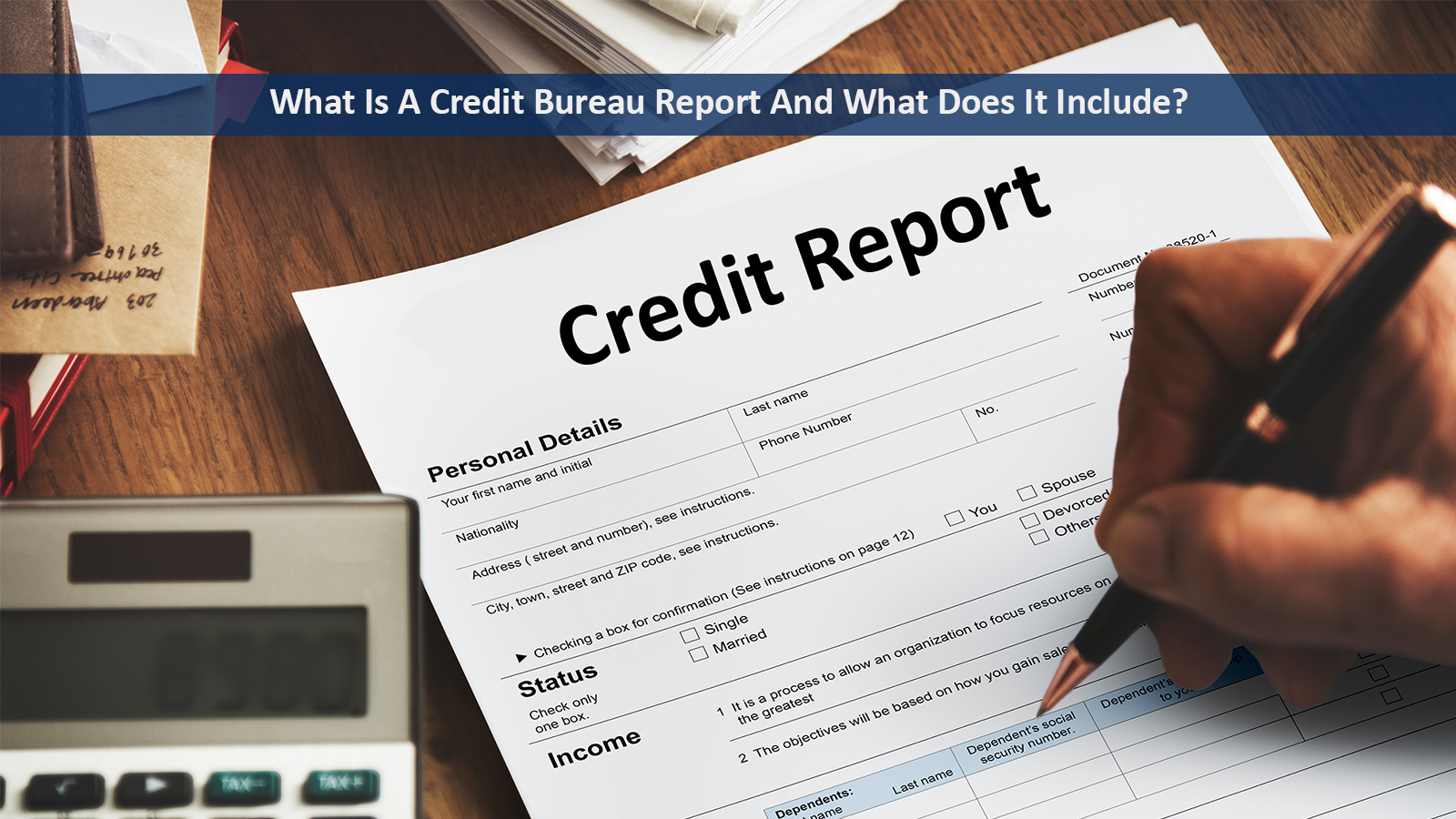
A Credit Bureau Report is a detailed summary of your credit history and payment records from all your credit accounts, including the loan repayment to banks & financial institutions. This information is provided to the bureau by the lenders, NBFCs and creditors. A credit bureau report is generated by a credit information company that is authorized by the financial regulatory body of a country. In India, there are four credit information companies namely CRIF, CIBIL, Experian, and Equifax, as recognized by the Reserve Bank of India.
A Credit report is referred to by potential lenders and NBFCs in order to get a fair idea about how eligible you are for receiving credit and what are the odds of you not paying them back. In some cases, it can also be requested by employers and insurers to assess your financial performance. It is worth noting that your credit score may differ with different credit bureaus, as not all creditors report to all bureaus. Let us find out in detail what information is commonly contained in a credit report from any of the bureaus.
Key Sections of a Credit Bureau Report Explained
A credit bureau report is structured into distinct sections, each capturing a specific aspect of your financial and credit behaviour. Together, these sections help lenders assess your identity, borrowing patterns, repayment discipline, and overall credit risk. Understanding what each section represents enables you to read your credit report more effectively, spot inaccuracies early, and take informed steps to maintain or improve your credit profile.
Identification Information:
This part of the report contains information related to your identification, such as Name, Address, Contact Details, including Email address and Phone number, PAN number, Aadhar Card Number, among other details. Note that these details do not have any effect on your credit report and are merely used to personalize.
Credit Account Information:
Lenders report every account to the bureau established with them. The information reported includes the type of account – credit card, auto loan, mortgage, etc.; the date of opening the account; your credit limit or loan amount, the account balance, and your payment history, including whether or not you have made your payments on time. Check your credit report with CRIF.
Credit Inquiries:
Inquiries are recorded each time your credit report is requested from the credit bureau by lenders/banks/NBFCs/Insurers, etc. Such inquiries are called hard inquiries. Note that a number of consecutive hard inquiries also negatively affects your credit score. The other inquiry is called a soft inquiry, which is counted when you yourself download your credit report. They have no effect on your credit score, and you can check your credit report as many times as you wish. Thus, a credit report contains the total number of hard and soft inquiries made into your account in the last 2 years.
Collections Accounts:
Debt that is overdue is sent to the collection agency. These accounts can be your credit card, retail bills, hospital charges, etc.
Bankruptcies and Public Records:
Often, individuals are found under circumstances that force them to file for bankruptcy. These cases are archived in the public records and are looked into by credit bureaus. A bankruptcy record may stay on your credit report up to 7 years.
Read More: What Are Credit Bureaus?
Why is Understanding Your Credit Report Important?
Understanding your credit report plays a pivotal role in your ability to keep track of your financial life and make yourself mighty enough to obtain credit without any hassles. It also keeps you abreast of any fraudulent activity taking place under your credentials using your account. Occasionally, your report could also contain obsolete or incorrect information. All this can be learnt only when you are well-versed with your credit report. If you have not yet found the time to download, check your Credit Information Report with CRIF today!
.