
How to Check Your Company Credit Report?
Short Answer - A company credit report reflects your business’s creditworthiness and influences loan approvals, interest rates, and borrowing terms. Regularly checking the report helps identify errors, prevent fraud, track repayment behaviour, and stay prepared for loans, expansion, and better financing opportunities.
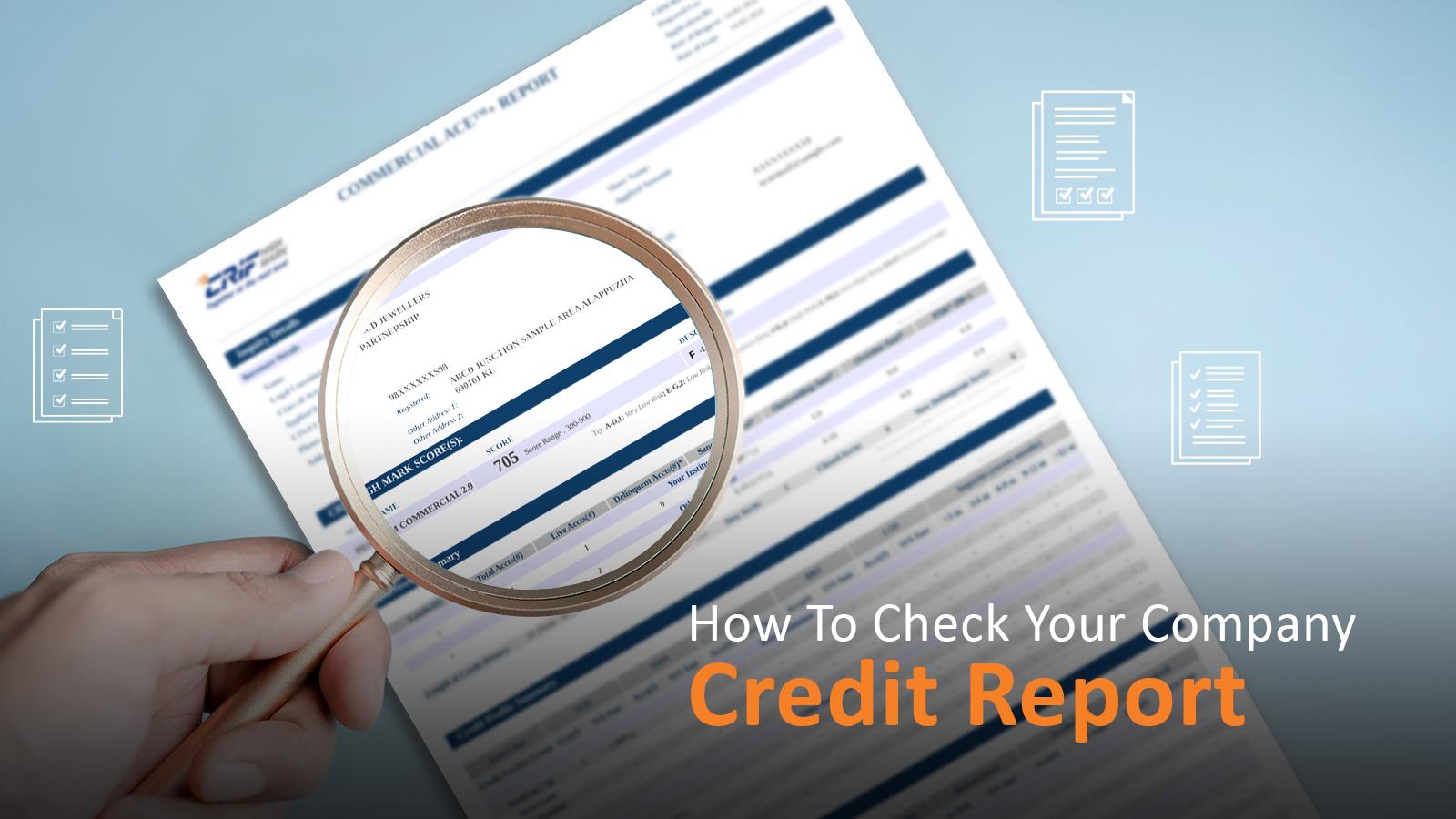
A company credit report, also referred to as a business credit report, assists businesses in maintaining financial control. Before granting business finance, it is usually one of the first documents the lender will evaluate. A credit report reflecting good financial health and creditworthiness is essential while applying for a business loan. The article will take you through the steps on how to obtain a company credit report online.
What is a Company Credit Report?
Banks and lenders use company credit reports as a means to assess a firm’s creditworthiness and make educated loan decisions. Credit bureaus calculate your company’s credit score by analysing past payment behaviour, credit history, and past debt and debt usage. Your company credit report directly affects your chances of getting loan approval by revealing your current debt obligations and your ability to repay the loan. And it also determines the interest rates for your loan.
Why Checking Your Company Credit Report Is Important?
Checking your company's credit report helps you understand how lenders view your business’s financial reliability. It allows you to verify reported information, identify errors early, monitor credit behaviour, and prepare better for loan applications. Regular checks also help protect your business from fraud and unexpected loan rejections.
Information Included in Your Company Credit Report
Key components of your company credit report are:
- Inquiry Information (i.e., details such as organization name, ID, Address, Phone Number, etc.)
- Credit Score or Rank, if applicable
- Credit Summary (i.e., specific tradeline details such as sanctioned amount, outstanding balance, overdue amount, repayment history, etc., of every open and closed credit facility)
- Account History (i.e., specific tradeline details such as sanctioned amount, outstanding balance, overdue amount, repayment history, etc. of every open and closed credit facilities)
- Inquiry History (i.e., list of inquiries made with CRIF High Mark)
Read More: Learn about Business Credit Report in detail
How to Obtain Your Company Credit Report?
To obtain your company credit report, you’ll need to:
Step 1: The first step in generating the report is to go to the CRIF’s business credit report page. Fill in the basic details such as full name, mobile number, and business email ID.
Step 2 – In this step, you’ll need to verify your mobile number with the code or OTP.
Step 3 A– In this step, you’ll be required to provide business details, like the name and registered office address, PAN, and contact numbers. Fill out the form completely and accurately to eliminate the possibility of the request being denied.
Step 3 B – The payment of fees is the next step in the business credit report process. Online payments for the fees are accepted in the form of debit or credit cards, net banking, cash cards, and bank drafts.
Step 3 C – Upload supporting documents, like an authorisation letter, address proof, and PAN.
You will receive the company credit score and report after document verification. Your report will be sent to you within 7 working days upon successful verification of the shared documents.
What Does a Blank CRIF Credit Report Mean?
If you get a blank CRIF credit report, it means:
- We could not find your information in the CRIF database, or
- We could not find any credit history in the CRIF database regarding the inquiry details.
What Should You Look for in Your Company’s Credit Report?
A company credit report can significantly influence your access to credit; therefore, you must do your due diligence while checking your company credit report. Some of the key points you should always check for inaccuracy are payment and credit history, errors and discrepancies, and incorrect or outdated Information.
How Often Should You Check Your Company Credit Report?
Businesses should ideally check their company credit report at least once every quarter to stay aware of their credit position. Regular reviews help identify errors, track repayment behaviour, and monitor changes in credit score. It is especially important to check your report before applying for a loan, after closing or repaying a credit facility, and during periods of expansion or increased borrowing. Timely monitoring ensures your credit profile remains accurate and loan ready.
How Company Credit Reports Impact Loan Approval and Interest Rates?
Lenders rely on company credit reports to assess a business’s creditworthiness and risk level. The report helps determine whether a loan application will be approved, the interest rate offered, the sanctioned amount, and any collateral requirements. Businesses with strong repayment history and healthy credit scores are considered low-risk and are more likely to receive faster approvals and lower interest rates, while weaker credit profiles may face higher costs or rejection.
Always Stay Credit-Ready
Your company credit report plays a critical role in loan approvals and financing terms. By reviewing it regularly and ensuring accuracy, businesses can strengthen creditworthiness, avoid surprises during loan evaluations, and stay prepared for future funding and growth opportunities.
Paying your business dues on time and using credit wisely stand you in good stead. If your business credit report remains impressive, you can establish your creditworthiness, maintain a good company credit score, and earn good financial credibility and market support.
.